Ciudad Real, with its rich historical and cultural heritage, is a city that blends tradition with modernity. Located in the very heart of Spain, it makes an ideal meeting point to host this meeting. Thanks to the high-speed rail connection linking the city with Madrid and other major cities, it is possible to travel from the Spanish capital in approximately one hour. This connection provides convenient access from Madrid’s international airport, facilitating the arrival of researchers from across the country, Europe and beyond. The city also offers suitable venues, hotels, and conference facilities that can host academic events in a comfortable and efficient setting.
Founded in the 13th century by Alfonso X el Sabio, the city preserves elements of its medieval past, such as the Puerta de Toledo, one of the remaining sections of the old city walls, and the Catedral de Santa María del Prado, an important Gothic religious building. Culturally, the region is closely linked to La Mancha, the setting of the famous novel Don Quijote de la Mancha written by Miguel de Cervantes. This literary heritage is reflected in local museums and cultural institutions, including the Museo del Quijote, which explores the historical and cultural context of the novel. This cultural background, together with the region’s gastronomy and traditions, offers opportunities for networking events and social activities during the conference.
The natural surroundings of Ciudad Real are also notable. Nearby protected areas such as Parque Nacional de las Tablas de Daimiel and Parque Nacional de Cabañeros represent important ecosystems with high biodiversity and ecological value. These landscapes provide opportunities for environmental research, conservation, and outdoor activities. Another unique natural feature of the province is the Campo de Calatrava Volcanic Region, one of the most important volcanic regions in the Iberian Peninsula. This area contains numerous extinct volcanoes, and volcanic craters, offering a fascinating landscape and opportunities for geological and geochemical studies.
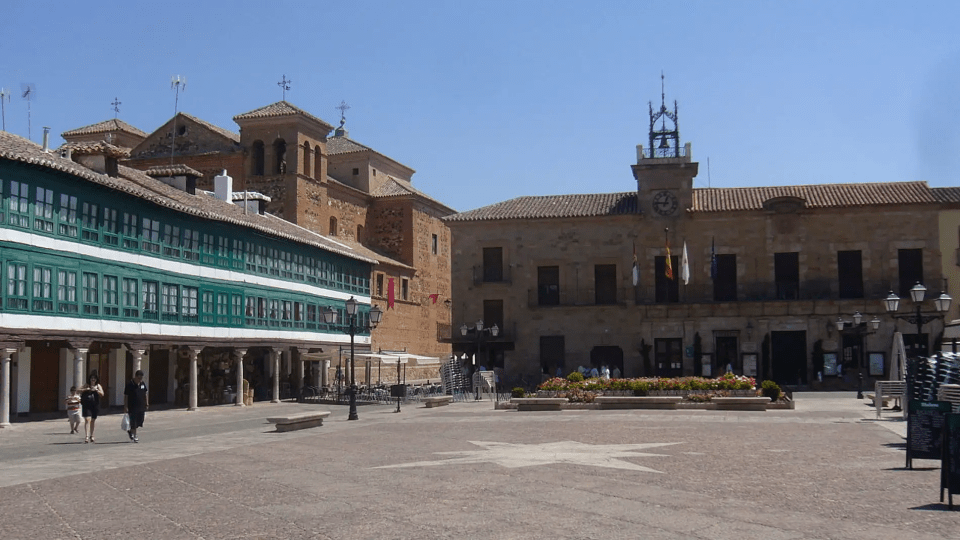
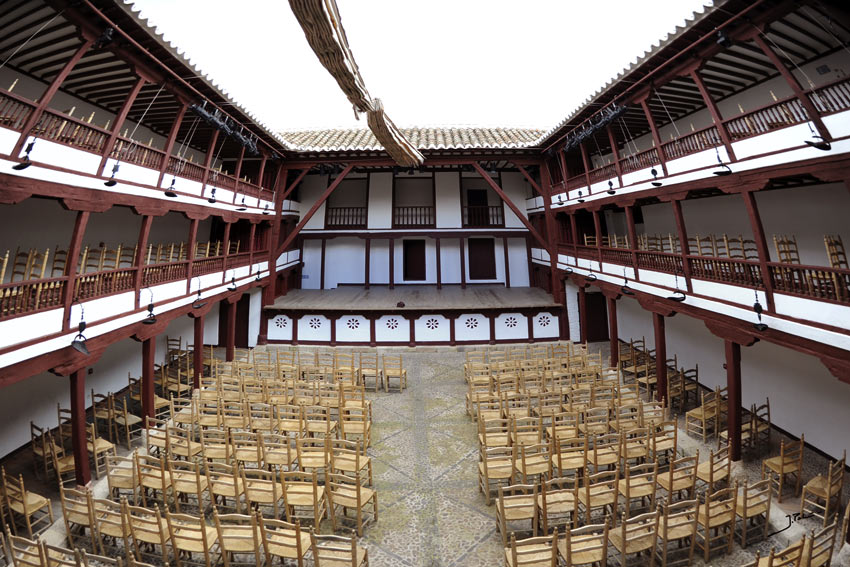
In addition to its natural heritage, the province also has important historical sites. Near Ciudad Real is the town of Almagro, known for its historic center and the famous Corral de Comedias de Almagro, the only fully preserved 17th-century open-air theatre of its kind in Spain. This place offers visitors a unique view of the theatre tradition of the Spanish Golden Age.
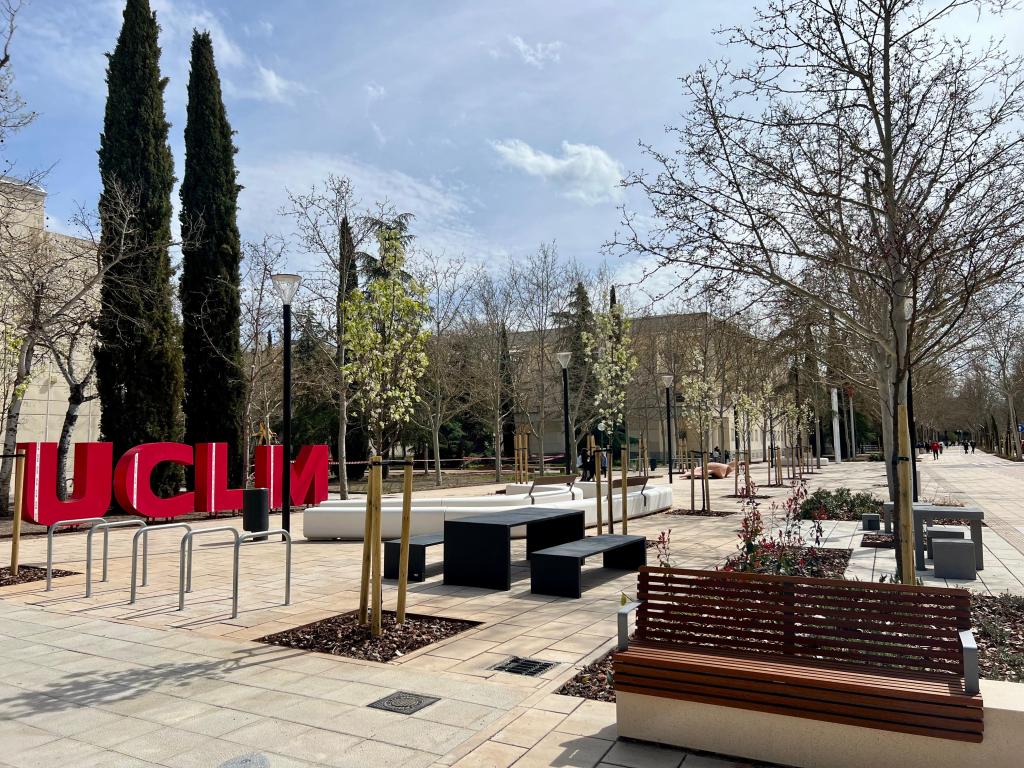
With an active student community, the city offers a vibrant university atmosphere. The University of Castilla‑La Mancha (UCLM) was established in 1982 to provide higher education in the region of Castilla‑La Mancha and to support the educational, cultural, and economic development of the region. It officially began academic activities in 1985, bringing together several existing colleges from cities such as Albacete, Ciudad Real, Cuenca, and Toledo. Over the years, it has expanded with additional campuses in Talavera de la Reina and Almadén. Today, UCLM offers a wide range of undergraduate and postgraduate programs in areas such as science, engineering, health sciences, social sciences, and humanities, serving over 30000 students and contributing to research and innovation in Spain.
At the Ciudad Real campus of the UCLM, the Faculty of Chemical Sciences has been a cornerstone in the training of chemistry professionals for decades. The faculty has well-equipped laboratories and research institutes dedicated to areas such as analytical chemistry, materials science, catalysis, environmental chemistry, and chemical engineering, among others. These facilities contribute to an active research ecosystem and make the city a suitable venue for this meeting that brings together scientists from academia, industry, and research institutions.